
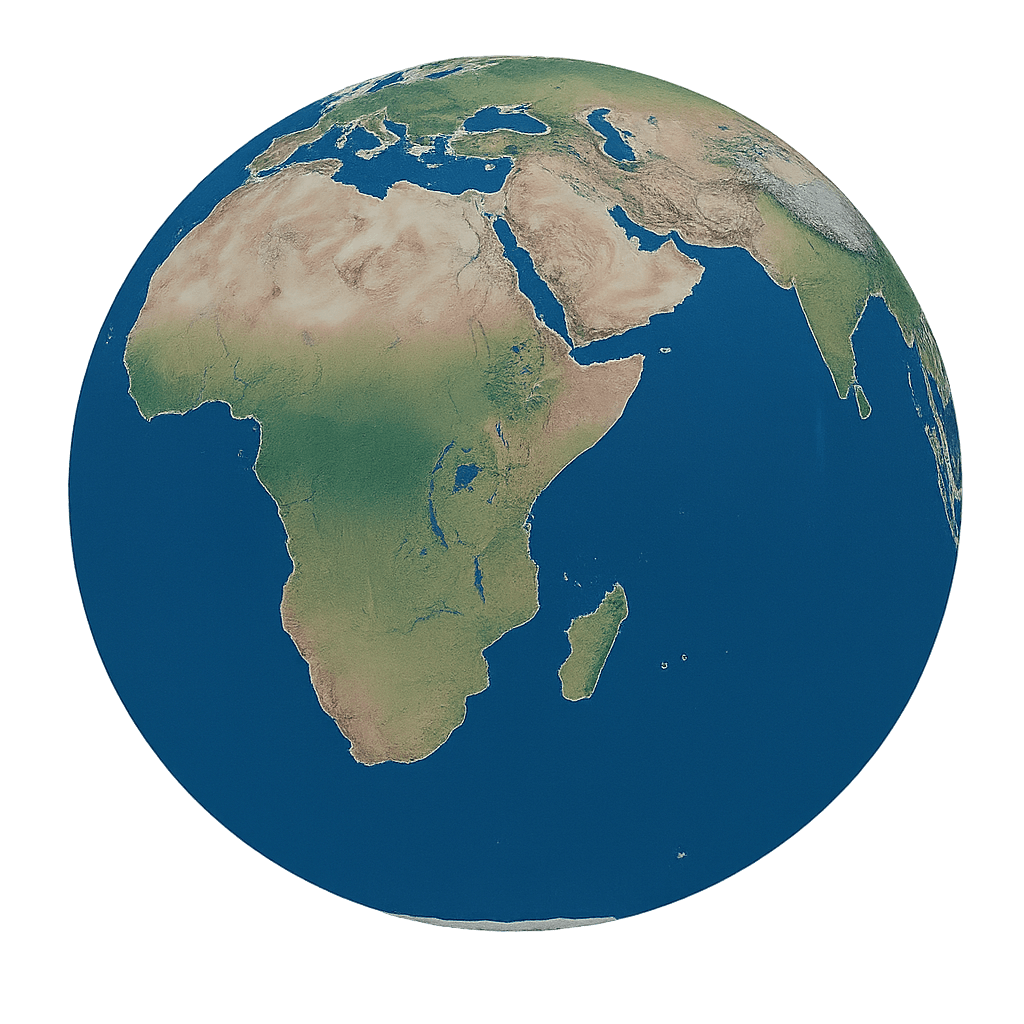
Satellite Connectivity: Q-KON and SISTEC opened a Luanda network hub for OneWeb satellite services, allowing data to be routed locally and supporting secure, low-latency connections for Angolan businesses and public institutions. Space Programme: Angola trained 8,987 people in space-related fields through 74 activities across 16 provinces in the past year, expanding skills in satellite data and applications for agriculture, environmental monitoring and disaster prevention. STEM Innovation: Angolan student team Ixietu reached the ExxonMobil STEM Africa Challenge finals with an AI-powered soil analysis system designed to help farmers assess soil fertility. Wildlife Science: Hungarian researchers’ satellite tracking led to the discovery of FALCOPOLIS in central Angola, where up to one million red-footed falcons gather before migrating north.
AGP Executive Report
Your go-to archive of top headlines, summarized for quick and easy reading.
Note: AI summary from news headlines; neutral sources weighted more to help reduce bias in the result. Feedback is welcome. Please let us know if you have any comments or suggestions about the AGP Executive Report.
Digital Payments: Africa’s cross-border payment networks are expanding, but access to the right local currencies at workable exchange rates remains a hurdle for faster settlement. AI Connectivity: Angola Cables has upgraded transatlantic capacity for rising AI traffic, using a route that bypasses Europe. Space and Conservation: A report highlights how space technology can strengthen biodiversity monitoring. Regional Outlook: The World Bank lifted its 2026 growth forecast for Sub-Saharan Africa to 4.3%, citing investment in digital technology and cleaner energy; Angola was among the countries with an upgraded forecast.
Digital Infrastructure: Angola Cables has upgraded transatlantic capacity for AI traffic, with a route that bypasses Europe, strengthening Angola’s role in global data networks. Space and Conservation: Space technology is being used to improve biodiversity monitoring in Angola, while De Beers says its conservation partnership helped establish the country’s first Ramsar wetland, protecting the source of 95% of water flowing into the Okavango Delta. Critical Minerals: The U.S. development finance agency plans to expand direct stakes in African mining and digital infrastructure projects as Washington seeks more secure technology supply chains.
Offshore Engineering: Singapore-based ASOM won a $7.48 million order for tank works on an FPSO in Angola, supporting a vessel life-extension campaign. Conservation Science: De Beers says its Okavango partnership helped secure Angola’s first Ramsar wetland designation, protecting the source of 95% of water flowing into the Okavango Delta. Digital Infrastructure: Angola Cables is expanding transatlantic capacity for AI traffic on a route that bypasses Europe. Biodiversity Monitoring: Space technology is also being used to strengthen monitoring of Angola’s biodiversity.

Angola’s Digital Links: Angola Cables has expanded transatlantic capacity for AI traffic on a route that bypasses Europe, strengthening the country’s role in international data networks. Space & Conservation: Space technology is being used to improve biodiversity monitoring in Angola, bringing new tools to conservation work. Africa’s Tech Skills: Engineering leaders called for wider use of AI, building-information modelling and geospatial systems to tackle skills gaps and improve infrastructure delivery. The U.S. DFC also plans to expand investment in African digital infrastructure, including a potential stake of up to $155 million in network group WIOCC.
Digital Investment: The U.S. International Development Finance Corporation plans to expand its equity investments in African digital infrastructure. Its portfolio includes a commitment of up to $155 million to WIOCC, a regional network operator. Angola Connectivity: Angola Cables has upgraded transatlantic capacity for AI traffic on a route that bypasses Europe, strengthening a key link for the country’s digital infrastructure. Space and Conservation: New space technology is supporting biodiversity monitoring in Angola, offering another tool for tracking the country’s ecosystems.
Oil Spill Investigation: Satellite imagery analysis mapped extensive oil pollution around the Kizomba A block off Angola; residents say spills are damaging crops, fishing and health. AI Connectivity: Angola Cables has upgraded transatlantic capacity for AI traffic on a route that bypasses Europe, strengthening the country’s role in global data links. Biodiversity Monitoring: Space technology is being used to support biodiversity monitoring in Angola, linking satellite tools with conservation work.
AI Connectivity: Angola Cables has upgraded transatlantic capacity for AI traffic on a route that bypasses Europe, expanding a key digital link for the region. Digital Rights: A review of African internet restrictions revisits Angola’s 2025 shutdown during fuel-price protests and the need for courts to protect online access and protest. Biodiversity Monitoring: Space technology is being used to strengthen biodiversity monitoring in Angola, according to a recent report. Oil Spill Tracking: Satellite imagery analysis traced years of oil spills at the BP-linked Kizomba A block, while communities in Zaire and Cabinda report harm to fishing, crops and health.
Digital Infrastructure: Angola Cables is boosting capacity on its MONET and South Atlantic Cable System routes to handle rising AI and cloud traffic. The direct Angola–U.S. path bypasses Europe and offers about 130 milliseconds of round-trip latency. Digital Rights: A report on internet restrictions in Africa highlights Angola’s 2025 shutdown during fuel-price protests, raising questions about access to online communication during demonstrations. Biodiversity Monitoring: A report points to space technology as a tool for strengthening biodiversity monitoring in Angola.
AI Connectivity: Angola Cables is boosting capacity on its transatlantic routes to handle growing AI and cloud traffic, including a direct Angola–Americas link that bypasses Europe. Critical Minerals: Tyranna Resources has identified rare-earth and niobium targets at its Coola project in Angola, guiding plans for further sampling and drilling. Biodiversity Monitoring: A report highlights the use of space technology to strengthen biodiversity monitoring in Angola. Digital Rights: A recent analysis revisits Angola’s 2025 internet shutdown during fuel-price protests, raising questions about digital access and protest rights.
AI Connectivity: Angola Cables is upgrading its MONET and SACS submarine links with Ciena technology to handle rising AI and cloud traffic. The route connects Angola to the US via Brazil, bypassing Europe, with a reported round-trip latency of about 130 milliseconds. Conservation Technology: In Angola, satellites, GPS trackers and drones are helping monitor threatened wildlife, including giant sable antelope and sea turtles. Thermal cameras support night surveys, while drone imagery can flag forest clearings and suspected poaching camps. Critical Minerals: Tyranna Resources has identified rare-earth and niobium targets at its Coola project in Angola, using historical sampling data to guide further fieldwork ahead of potential drilling. Digital Rights: A recent analysis revisits Angola’s 2025 internet shutdown during fuel-price protests, highlighting how authorities can restrict online access while courts have yet to fully address the rights involved.
AI Connectivity: Angola Cables is upgrading its MONET and SACS submarine links to carry rising AI and cloud traffic, using a direct South Atlantic route that connects Angola with the Americas without passing through Europe. Critical Minerals: Tyranna Resources has identified rare-earth and niobium targets at its Coola project in Angola, based on historical sampling and drilling, and plans further work before drilling advances. Wildlife Monitoring: Angolan conservation groups are using satellites, GPS trackers and drones to track threatened species, count animals and spot signs of poaching, with thermal cameras improving night-time surveys. Public Health: The US CDC’s office in Angola closed last week as the agency scales back its overseas presence, raising questions about future support for disease monitoring and health programmes.
Conservation Technology: Angola’s Kinsama Foundation says satellites, GPS trackers and drones are helping monitor giant sable antelope and sea turtles, spot poaching threats and improve wildlife counts. Thermal cameras are making night surveys more precise. Critical Minerals: Tyranna Resources has identified rare-earth and niobium targets at its Coola project, using historical sampling to guide further fieldwork ahead of planned drilling. Public Health: The US CDC has closed its Angola office as part of a wider overseas pullback, raising questions about the future of its health work in the country. Digital Infrastructure: Angola Cables is expanding capacity on its MONET and SACS networks with Ciena technology, as demand for data and AI connectivity grows. Economic Outlook: The World Bank raised its 2026 Sub-Saharan Africa growth forecast to 4.3%, naming Angola among countries with upgraded projections and urging investment in an AI-ready economy.
Angola Space & Conservation: Angola’s Kinsama Foundation says satellite, GPS, transmitters and drones are boosting biodiversity monitoring, including tracking the Giant Black Eland and marine turtles, with thermal cameras enabling more precise night surveys and faster responses to poaching threats. Sub-Saharan Africa Macro Outlook: The World Bank slightly lifted its growth forecast for Sub-Saharan Africa to 4.3% for 2026, citing resilience and reforms, but warned that poverty reduction and jobs remain weak amid conflict, climate shocks and tighter finances. Nigeria Central Bank Signals Stability: Nigeria’s CBN links stronger external reserves (now $55.25bn) to deeper financial formalisation, improved remittances and FX market unification—aimed at making credit work for small businesses. Digital Health in Kenya: Kenya’s shift from paper records to Tibabu and Taifa Care is helping facilities store long-term patient histories and reduce paperwork burdens. Security Tech for Demining: CSIRO-backed MineReader says it can detect RDX reliably even with metal and debris interference, targeting field testing and manufacturing in 2027. Angola Connectivity for AI: Angola Cables upgrades MONET and SACS submarine capacity with Ciena tech to support AI and cloud demand. Education Tech Funding Push: Angola-linked regional reporting highlights calls for more education infrastructure budgets as schools adopt more technology.
Education Infrastructure Push: Otjozondjupa Governor John Julius //Khamuseb says only ~10% of development funding for education is too little for classrooms, infrastructure and technology, urging rebalancing budgets (not teacher salaries) to close the digital divide. Connectivity Upgrade: Angola Cables is expanding transatlantic capacity on MONET and SACS with Ciena tech to support AI, cloud and hyperscaler traffic, boosting route flexibility and high-speed client interfaces. Health Policy Shift: The CDC begins shuttering foreign offices as “America First” policy reshapes global health funding deals, with Angola among the offices reported closed. Regional Growth Outlook: The World Bank lifts Sub-Saharan Africa’s 2026 growth forecast to 4.3% (+0.3 points), citing reforms, stronger demand and energy/digital investment—while warning jobs and living standards remain the challenge. Energy & Local Industry Recognition: CABSHIP founder João Filipe wins African Energy Week’s 2026 Lifetime Achievement Award for Angolan local content and logistics support for offshore energy operations. Tech in Security: MineReader’s CSIRO-based magnetic resonance approach reports successful detection of 50g RDX at up to 13cm depth, aiming for field testing and manufacturing in 2027.
Subsea Connectivity for AI: Angola Cables is upgrading its MONET and SACS transatlantic submarine networks with Ciena tech to boost capacity, route flexibility and support hyperscalers and cloud growth. Humanitarian Tech: Australia’s MineReader, built on CSIRO magnetic resonance research, says it can reliably detect 50g of RDX up to 13cm deep even in metal and organic debris—aiming for international field testing and 2027 manufacturing. Angola Energy & Local Industry: CABSHIP founder João Filipe won African Energy Week’s 2026 Lifetime Achievement Award for Angolan local content, entrepreneurship and services supporting major offshore operations. Digital Policy Watch: A UK FCDO parliamentary session found “digital development” effectively sidelined from development funding priorities, with AI for development now treated as an offer from another department. Telecom Reputation Risk: Africa Reputation Pulse released 2026 dossiers on telecom operators and sovereign funds, tracking how regulation, media narratives and AI-driven information are shaping trust and market perception. Aviation Security: Aero and Thales expanded the L-39 Skyfox counter-drone role with guided 70mm rockets, as C-UAS integration and testing moves forward. Health Tech & Access: A study says Bible access is restricted for over 500 million Christians, with barriers beyond legality including poverty and lack of internet or electricity.
Subsea Connectivity for AI: Angola Cables is upgrading its MONET and SACS transatlantic submarine systems with Ciena tech to handle surging AI, cloud and data traffic, including 800G client interfaces and more flexible routing. Financial Integration in Angola: The Africa Financial Summit (AFIS) returns to Luanda on Nov 3–4, aiming to mobilize capital, deepen financial integration and push technology and regulatory alignment to unlock investment. Energy Deals and Exploration: African Energy Week heads into its sixth edition in Cape Town (Oct 12–16), with leaders like NJ Ayuk stressing African-led investment and partnerships; separate coverage argues Africa’s next energy gains depend on exploration plus stable rules that create jobs and local industry. Health Access Gap: A new study says over 500 million Christians live where Bible access is restricted, with barriers ranging from legal and social limits to lack of internet and electricity. Aviation Security Watch: A Flydubai cockpit incident has renewed focus on crew-linked hijacking risks and the security layers meant to prevent deliberate interference. Data Localization Pressure: Nigeria’s banks face new architecture challenges under the Central Bank’s data-localisation push, with “split-cloud” approaches raising cross-border dependency concerns.
Subsea Connectivity for AI: Angola Cables is upgrading its MONET and SACS transatlantic submarine networks with Ciena optical tech to boost capacity and route flexibility for hyperscalers, cloud and AI traffic. Energy Innovation at Sea: Floating power plants are gaining attention as a way to expand clean energy without competing for scarce land, with Luanda highlighted as a potential beneficiary. Banking Data Rules: Nigerian banks are wrestling with the Central Bank of Nigeria’s 2027 data-localisation deadline, with “split-cloud” approaches raising new cross-border dependency risks. Aviation Security: A Flydubai pilot stabbing and alleged attempted crash has reignited focus on crew-linked hijacking risks and cockpit security lessons from past incidents. Angola’s Lab Accreditation Push: Angola is taking another step toward accrediting its laboratories, a move that matters for research quality and health/tech standards. Conservation Model: São Tomé and Príncipe is using a UNESCO Biosphere Reserve approach that ties conservation to sustainable livelihoods and community development. Regional Finance Drive: The Africa Financial Summit heads to Luanda on Nov 3–4, aiming to mobilise capital, deepen financial integration, and turn African savings into domestic investment.
Angola Cables & AI-ready connectivity: Angola Cables is upgrading its transatlantic submarine network with Ciena tech, expanding MONET and SACS capacity to meet surging AI and cloud data demand and improve route flexibility, including 800Gbps client interfaces. Angola’s lab push: Angola is taking another step toward accrediting its laboratories, a move aimed at strengthening local science and testing capacity. AFIS in Luanda: The Africa Financial Summit (Nov 3–4) will be held in Luanda, with organizers saying it will shift from talk to deal-making—mobilising capital, aligning regulation, and pushing technology and local savings into productive investment. Aviation security spotlight: A Flydubai pilot incident involving a stabbing and an attempted crash has renewed focus on cockpit security and crew-related threats, with past hijacking cases cited. Nigeria fintech cloud pressure: Nigerian banks face new pressure from the Central Bank’s data-localisation push, with “split-cloud” approaches raising cross-border dependency risks. Ghana vs Tullow: Ghana won a major tax dispute at ICC arbitration over insurance proceeds tied to Tullow’s offshore operations, with the tribunal backing Ghana’s assessment. NamPower energy targets: Namibia’s utility unveiled a 2026–2030 plan aiming for 80% self-sufficiency and a 70% renewable share by 2030, alongside grid expansion and industrialisation support. Health & access: UN reporting highlights civilian targeting in eastern DRC, while separate coverage flags ongoing cholera vulnerability in several countries, including Angola.
Angola Cables & AI Connectivity: Angola Cables is upgrading its MONET and SACS transatlantic submarine networks with Ciena tech to handle surging AI, cloud and data traffic, boosting capacity and route flexibility and enabling high-capacity 800G client interfaces. Regional Tech Skills in SADC: IALE Institute says it is delivering accredited AI and data training across SADC, pointing to real-world production use in mining and minerals where systems are often vendor-delivered and run. Africa Finance Push in Luanda: The Africa Financial Summit (AFIS) heads to Luanda on Nov. 3–4, aiming to deepen financial integration, mobilize capital for the real economy, and convert African savings into African investments, with IFC highlighting major gaps in lending to sectors like agriculture. Health Systems & UHC: UNGA81 discussions put universal health coverage and pandemic preparedness together, stressing resilient primary health care and community engagement. Aviation Security Shock: A FlyDubai-related incident report spotlights crew-linked hijacking fears after a pilot stabbing and attempted crash led to an emergency landing. Energy Policy Angle: A NamPower update targets 80% self-sufficiency and a 70% renewable share by 2030 under a new 2026–2030 plan.
Sign up for:
Tech Wire Angola
The daily local news briefing you can trust. Every day. Subscribe now.
Check Your Email!
We sent a one-time activation link to: .
Confirm it's you by clicking the email link.
If the email is not in your inbox, check spam or try again.
Welcome back!
is already signed up. Check your inbox for updates.